Beautiful Plants For Your Interior
Grow a healthy Snake Plant in Pakistan with the right light, watering, potting mix and root-rot prevention.
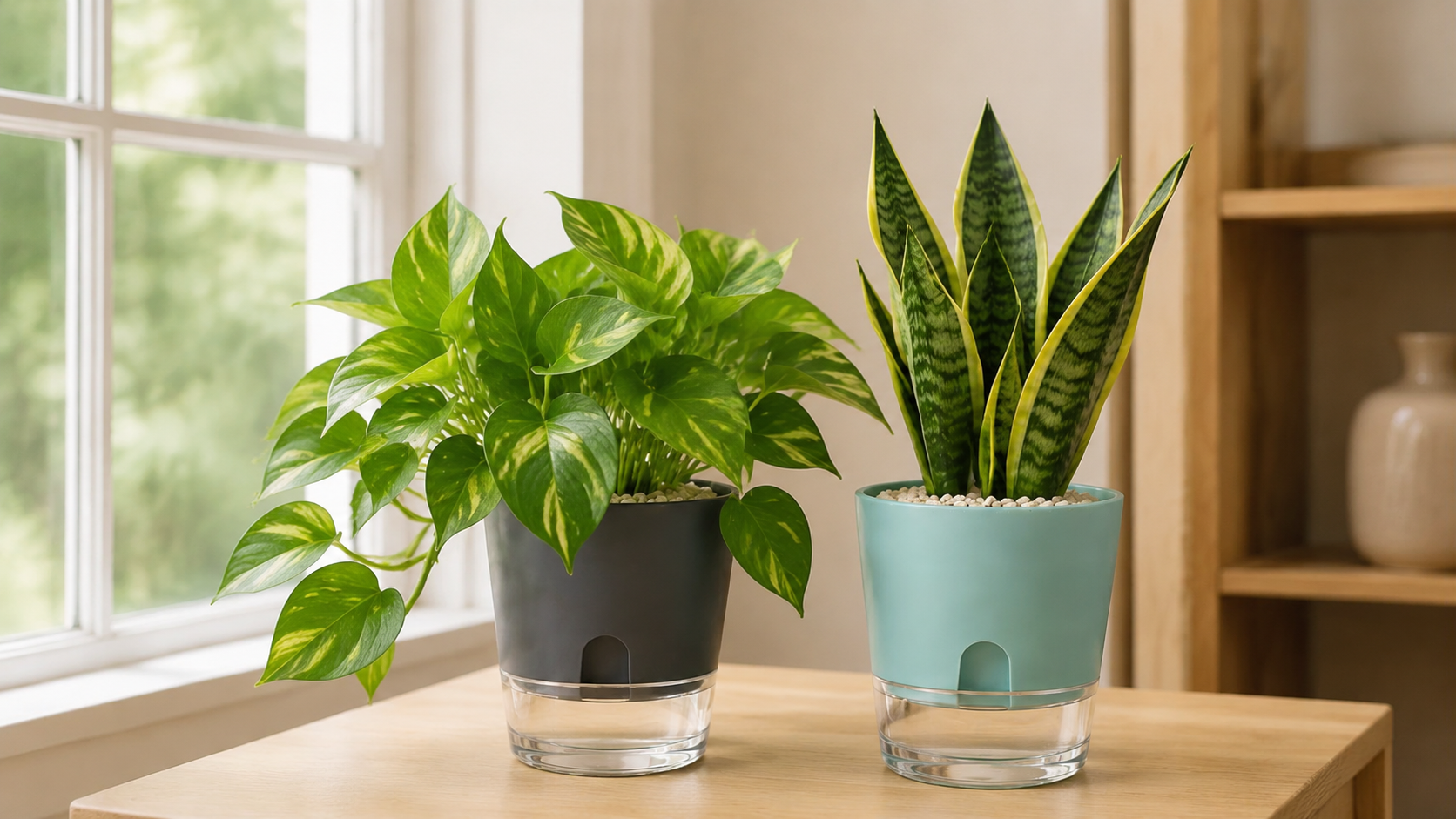
Snake Plant is one of the most forgiving indoor plants, but its thick water-storing leaves make overwatering risky. It prefers an airy mix and a pot that does not stay wet for long periods.
Snake Plant adapts to moderate and lower light, but growth is faster and patterns stay clearer in bright filtered light. Introduce direct morning sun gradually and protect it from intense afternoon glass.
Check deeper than the surface because the upper mix can look dry while lower roots remain wet. Water thoroughly, drain excess and wait until most of the mix dries again. Cool weather may extend the interval considerably.
Soft leaf bases, a sour smell and collapsing leaves indicate serious excess moisture. Remove rotten material with a clean blade, let cuts dry and repot healthy sections in fresh airy mix.
Division is the easiest method and preserves variegation. Leaf cuttings can also root, but some patterned varieties may produce plain green new growth. Propagate during warm active growth for quicker recovery.
Only after most of the mix has dried; the interval varies by season and light.
Yes, but growth will be slower and watering must be less frequent.
Possible causes include root damage, poor light, physical injury or inconsistent watering.
Explore indoor plants, compare plant combos or ask for help on WhatsApp.